How Do I Give a Krillion Hint Without Spoiling the Answer?
“Want a place to start, or a few more seconds?” is a good first hint. A friend who’s drawing a blank might welcome a nudge. A friend who’s choosing between two perfectly good names probably wants you to stay quiet. If they ask for help, give them somewhere to look and leave the actual choice in their hands.
Try giving a hint for a question you both know
Try “Name a musical instrument” as a made-up prompt. Suppose you’ve already decided what you’d put down. Keep that name to yourself. Someone else might find an answer in a marching band, a folk recording or the piano lessons they took at nine. You can help them bring one of those places to mind without steering them straight to your seat in the orchestra.
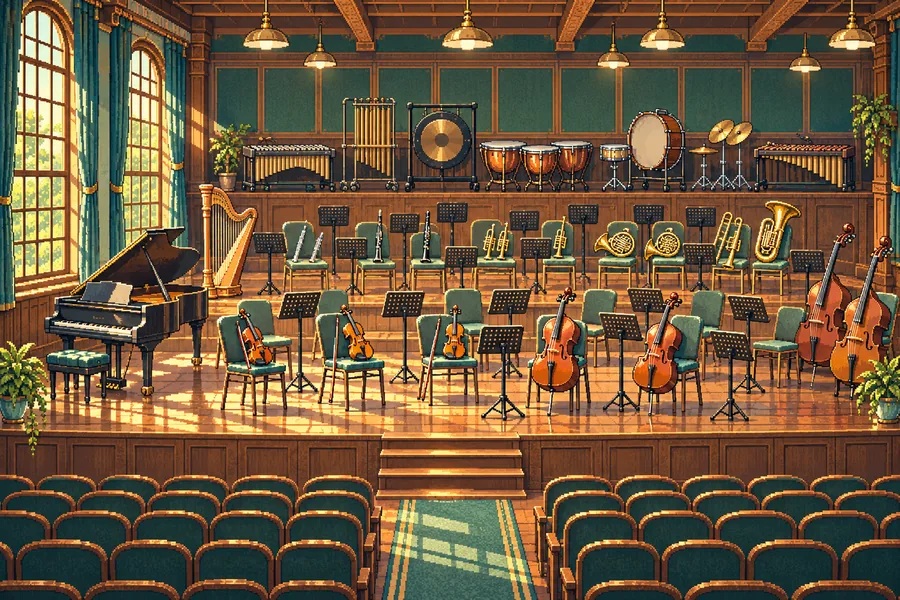
Try the prompt yourself. Open one slip at a time and stop as soon as something comes to mind. You don’t earn anything extra for reading the last one.
Hint 1 · A memory to start with
Picture the last place you heard people playing music together. Who was in the room or up on stage?
Hint 2 · Somewhere else to look
Picture a rehearsal. Let your eye travel from the front row all the way to the back. What could you hear from a different part of the room?
Hint 3 · One family to explore
Think of percussion. What might a musician play by striking it or shaking it? Pick whichever instrument first comes to you.
The first slip still works for someone who has never seen an orchestra. The second offers a particular room. The third gives away a family, but there are several answers left inside it. A clue like “three metal sides, hit with a little metal beater” would leave almost everyone saying the same thing. Save clues that narrow for a moment when your friend actually asks you to tell them.
Listen for what the other player is stuck on
“I can’t think of anything” and “Does this count?” deserve different replies. In the first case, a setting can get the player moving. In the second, they usually have a name already. Asking them to say it aloud or offering your favourite answer could knock their own idea right out of their head. Find the relevant word in the prompt and read it back to them.
| They say | You might say | What they still decide |
|---|---|---|
| “My mind’s gone blank.” | “Picture a gig you’ve been to. What was on stage?” | The setting and the name they take from it. |
| “Would a person’s name count?” | “Read the last word again. It asks for an instrument.” | Which object the person might play. |
| “I have two. Which scores more?” | “Want to compare them after the reveal?” | Which of their two answers to submit. |
There’s a time to give the clue
On this practice site the answer window lasts 25 seconds. If you spend ten of them asking what sort of hint somebody wants, you’ve eaten a fair chunk of their turn. Between questions, agree on a short signal. “Nudge?” is plenty. If you get a nod, give one sentence and let the player return to the keyboard. They can always ask for more.
The scored reveal is a good place to stop for a longer conversation. The next question waits for the player to continue. If you need to leave the screen, the guide to pausing between questions explains where the timer is safe. If you’re playing the same practice dive on one screen, each of you can jot down a private guess before one player submits. Save the coaching until both names are on paper. Even an innocent “remember the band trip?” could send both players to the same memory.
Share the score now and the answer later
In a group chat, the line underneath a scorecard is often where the spoiler slips out. “Question four nearly timed me out” leaves the round playable. “Who else remembered the instrument from our school concert?” can give away the subject before someone has even opened it. If people are playing at different times, send the scorecard on its own and put the answer discussion in a reply people can choose to open later.
On this site, the result squares let you talk about the shape of a dive without naming your catches. Once everyone’s finished, ask what each of you pictured. Two friends can read the same three words and end up at opposite ends of that rehearsal room. That conversation is worth saving until both have had their turn.